Air First, Ocean Second: How the Smartest Vietnam Supply Chains Are Being Built in Reverse
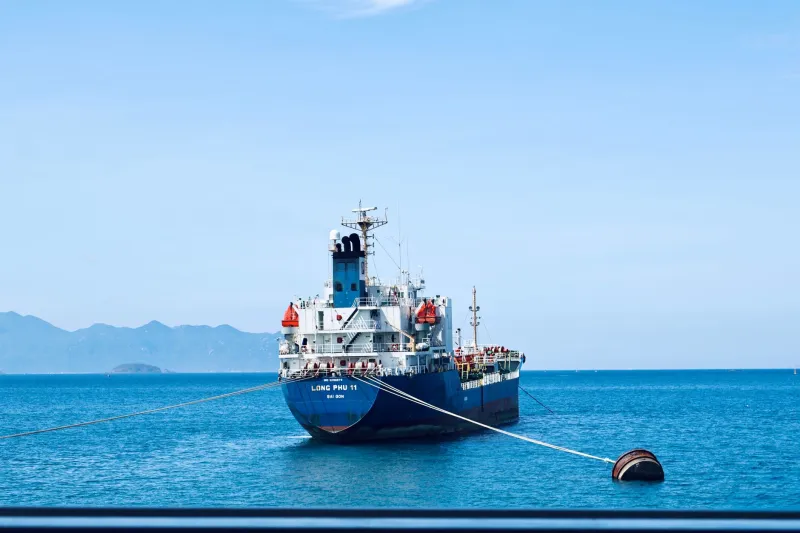
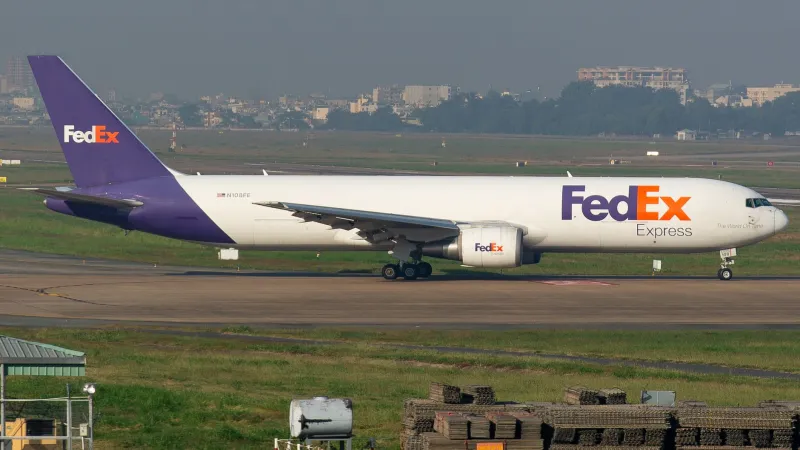
For decades, the conventional wisdom governing international freight has followed a predictable hierarchy: ocean shipping forms the backbone of the supply chain, and air freight exists to rescue it when things go wrong. Production finishes on schedule, ocean bookings are placed weeks in advance, and air cargo is summoned only when a shipment is late, a customer is furious, or a retail window is about to close. The logic made sense when margins were wide and lead times were forgiving.
That era is over.
A measurable shift is underway among US importers sourcing from Vietnam. Rather than treating air freight as an emergency instrument, a forward-thinking cohort of companies is doing something that sounds counterintuitive: they are designing their supply chains around air freight first, then incorporating ocean and ground transport as complementary layers. The outcome is not simply faster delivery—it is a fundamentally different relationship between production timelines, inventory investment, and market responsiveness.
Why the Traditional Model Creates Structural Fragility
The default approach to Vietnam sourcing has always carried hidden risks that are easy to overlook during stable periods. When ocean freight is the planning anchor, companies must commit to large order volumes to justify container costs, build in lengthy lead times to accommodate vessel schedules, and maintain substantial safety stock to buffer against delays. Each of these requirements ties up capital, limits flexibility, and creates exposure to demand fluctuations.
The fragility becomes visible during disruptions—port congestion in Ho Chi Minh City, Lunar New Year production shutdowns, unexpected surges in container rates. At those moments, companies that built their plans around slow-boat economics suddenly discover that their entire supply chain is a single-point-of-failure system. They scramble for air capacity, pay premium rates under pressure, and absorb the cost as an exception rather than a planned variable.
The companies inverting this model are not eliminating ocean freight. They are eliminating the fragility that comes from treating ocean as the only real option.
What "Air First" Actually Means in Practice
Building a supply chain with air freight as the planning anchor does not mean shipping everything by plane. It means designing the supply chain so that air freight is a fully integrated, budgeted, and operationally routine component from the outset—not a fallback.
In practical terms, this involves several structural changes. First, it requires segmenting the product portfolio by velocity, margin, and time-sensitivity. High-margin or fast-moving items are routed via air on a scheduled basis, regardless of whether a crisis exists. Slower, heavier, lower-margin goods travel by ocean. The key distinction is that this segmentation is deliberate and planned, not reactive.
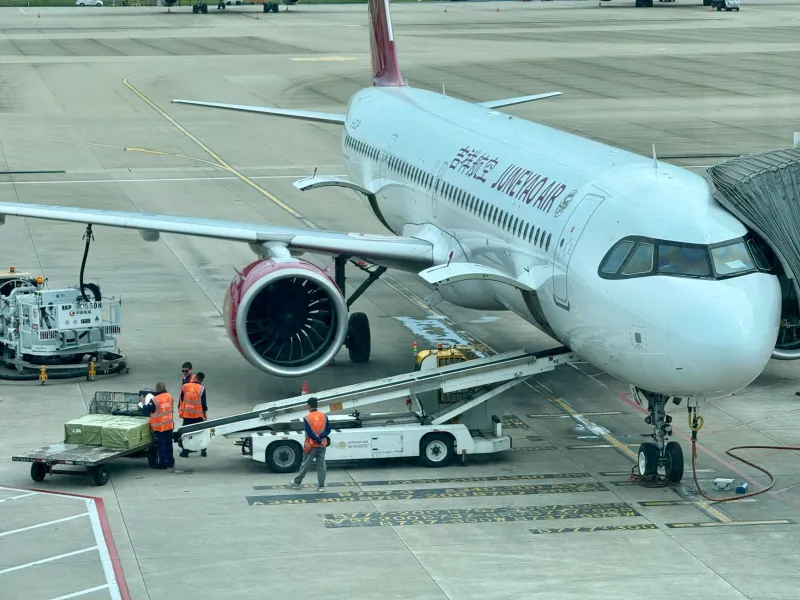
Second, it means building relationships with air freight providers—including forwarders with dedicated lift access out of Vietnam's regional airports—before capacity is needed, not after. Companies that have established these relationships in advance secure more consistent space, more predictable pricing, and better service than those who arrive at the air cargo market during a crunch.
Third, and perhaps most significantly, it changes how inventory is managed. When a portion of replenishment happens via air on a regular cycle, companies can carry less safety stock without increasing stockout risk. The reduced inventory carrying cost frequently offsets a meaningful portion of the air freight premium.
The 40% Time-to-Market Reduction: How It Happens
The claim that air-first supply chains can reduce time-to-market by roughly 40% is not a projection—it reflects what happens when the cumulative delays embedded in ocean-centric planning are removed from the equation.
Consider a mid-sized US apparel importer sourcing from a factory in Binh Duong Province. Under an ocean-first model, the timeline from production completion to US distribution center receipt typically spans eight to twelve weeks, accounting for inland trucking to port, container consolidation, vessel transit, US customs clearance, and domestic drayage. That timeline assumes no disruptions.
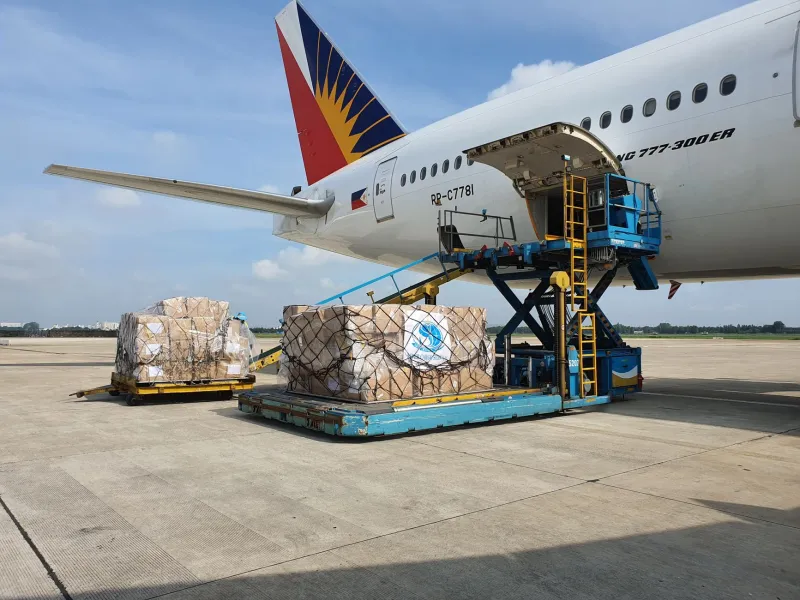
When that same importer routes a portion of its seasonal reorder via air freight—working with a logistics partner that manages export documentation, airport handling, and customs compliance proactively—the equivalent journey from Binh Duong to a US warehouse can be completed in five to seven days. The implication is not just speed. It is the ability to place smaller initial ocean orders, observe early sell-through data, and replenish winning SKUs by air before the selling season peaks. Inventory accuracy improves, markdowns decrease, and full-price sell-through rises.
Similar dynamics apply in electronics, industrial components, and consumer goods categories where product lifecycles are short and demand signals are volatile.
The Unexpected Cost Argument
Skeptics of air-first planning typically point to one number: the per-kilogram cost of air freight versus ocean. That comparison is not wrong, but it is incomplete.
When the full cost picture is constructed—including inventory carrying costs, stockout losses, markdown exposure, expedite premiums paid reactively, and the working capital tied up in large ocean orders—the economics of a blended, air-anchored model frequently compare favorably to a pure ocean approach. The savings are not always on the freight line. They appear in inventory turns, in reduced warehousing requirements, and in the elimination of the costly emergency air shipments that ocean-first companies inevitably generate.
For US importers operating in categories with gross margins above 40%, the math tends to shift decisively once all cost categories are included in the analysis.
Building the Infrastructure Before You Need It
One of the most consistent findings among companies that have successfully adopted air-first supply chain models is that the transition requires lead time. Freight relationships, customs broker alignments, and warehouse workflows all need to be calibrated for higher-frequency, smaller-volume air shipments before the model performs efficiently.
This means that the time to establish air freight infrastructure in Vietnam is not during a peak season crunch or a geopolitical disruption—it is during a period of relative stability, when there is space to negotiate, plan, and test. Companies that invest in these relationships proactively find themselves with a genuine operational advantage when conditions tighten, because they are not competing for capacity alongside every other importer who waited too long.
Vietnam's air freight network has expanded considerably in recent years, with improved lift options out of Noi Bai International in Hanoi, Tan Son Nhat in Ho Chi Minh City, and an increasing number of regional airports handling cargo volumes that would have been unthinkable a decade ago. The infrastructure exists. The question for US importers is whether their supply chain strategy is designed to use it.
The Competitive Implication
Speed has always been a competitive variable in consumer and industrial markets. What has changed is the degree to which speed is now accessible as a structural supply chain feature rather than an expensive exception. US importers who treat Vietnam air freight as a core planning element—rather than an emergency cost center—are not just moving goods faster. They are building supply chains that are more responsive, more capital-efficient, and more resilient than those of competitors still anchored to slow-boat defaults.
The inversion is not radical. It is pragmatic. And for companies willing to rethink the planning sequence, Vietnam's logistics landscape is ready to support it.