Neither All-Air Nor All-Ocean: How a Blended Freight Model Unlocks Better Economics for US Importers From Vietnam
The False Choice Between Speed and Cost
For many US importers managing Vietnam-origin supply chains, freight mode selection tends to follow a familiar logic: when a deadline is tight, book air; when budget pressure dominates, book ocean. The decision is reactive, made shipment by shipment rather than as part of a deliberate strategy. The result is a supply chain that is neither fast enough nor economical enough—caught between two options without fully benefiting from either.
What this framing misses is the structural opportunity that exists precisely because air and ocean freight have different strengths. Rather than competing alternatives, they are complementary instruments. When applied to the right cargo at the right time, each mode reinforces the other in ways that reduce total supply chain cost while improving overall delivery performance. This is the foundation of what logistics professionals increasingly refer to as a hybrid, or blended, freight model.
What a Hybrid Freight Model Actually Looks Like
A blended freight model does not mean randomly splitting shipments between carriers. It means deliberately segmenting your Vietnam cargo by velocity, value, and delivery requirement—then assigning each segment to the mode best suited to its characteristics.
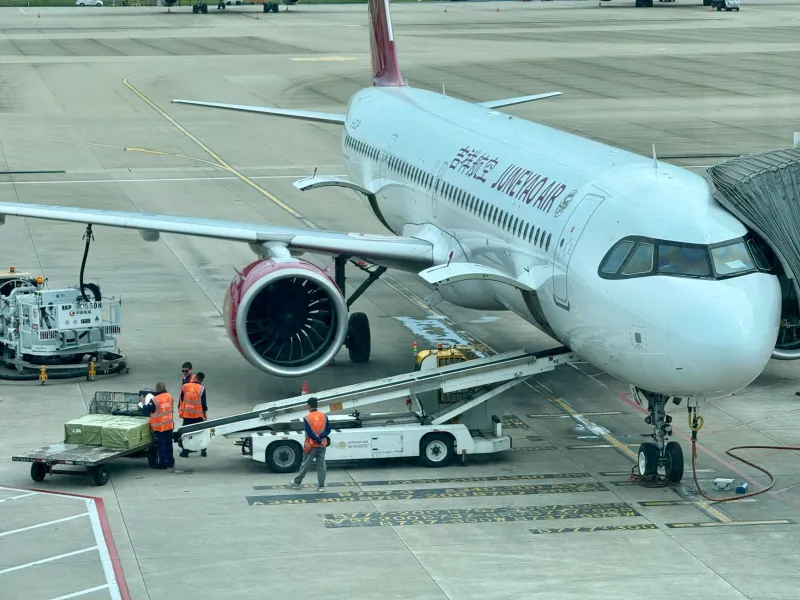
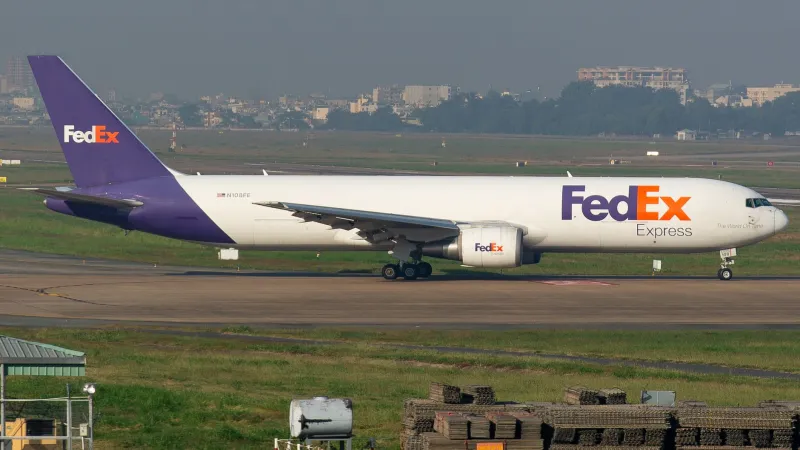
Consider a US consumer electronics brand sourcing finished devices and packaging components from factories in Ho Chi Minh City and the surrounding industrial zones. The finished devices carry high per-unit value, are needed quickly to meet a retail launch window, and represent a relatively small volume by weight. Air freight is the logical choice: the speed-to-cost ratio justifies the premium when measured against the cost of a delayed product launch or emergency inventory replenishment.
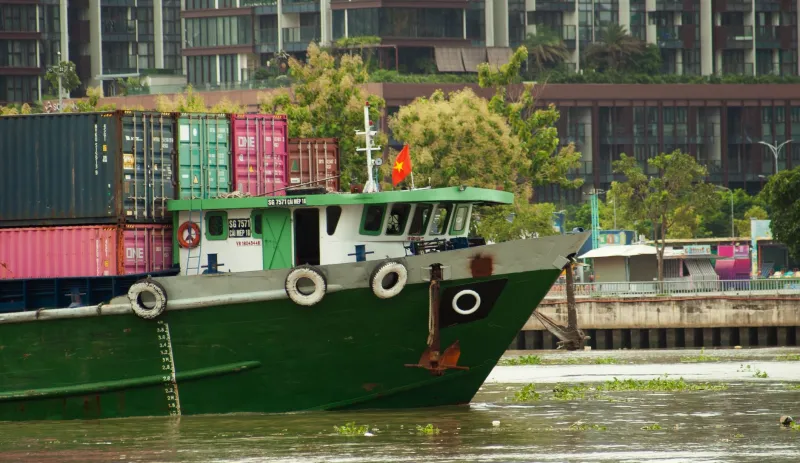
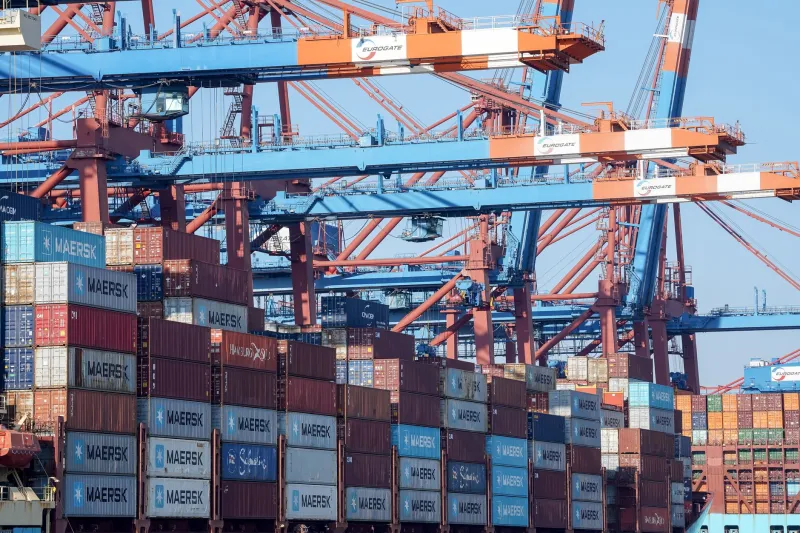
The packaging components, by contrast, are bulky, low in per-unit value, and consumed at a predictable rate over several weeks. Routing these by ocean consolidation—LCL or FCL depending on volume—reduces landed cost significantly without creating a meaningful gap in operational continuity, provided the inventory cycle is planned accordingly.
This segmentation is not limited to electronics. Apparel importers can apply the same logic by air-freighting early-season hero SKUs to meet floor-set deadlines while moving core basics by ocean on longer replenishment cycles. Industrial equipment importers can air-freight critical spare parts and consumables while shipping capital machinery components by sea. The specific application varies; the underlying principle does not.
The Cash Flow Argument for Blending
One of the most underappreciated benefits of a hybrid model is its effect on working capital. When importers rely heavily on ocean freight for all shipments, they are effectively locking capital into inventory that is in transit for three to five weeks from Vietnam ports to US destinations. During that time, the goods are paid for but generating no return. For businesses operating on tight margins or managing seasonal cash cycles, this represents a meaningful drag.
A blended model allows importers to use ocean freight for the inventory they can plan far in advance—reducing per-unit freight cost—while reserving air freight for replenishment orders that respond to real-time demand signals. This reduces the need to carry large safety stock buffers, which in turn reduces warehousing costs and the risk of excess inventory. The net effect is a supply chain that carries less dead weight at any given moment, with capital freed up for other operational priorities.
Hedging Against Volatility Without Paying a Permanent Premium
Supply chain disruption over the past several years has forced US importers to reconsider how much risk they are absorbing through single-mode freight strategies. An importer fully reliant on ocean freight from Vietnam is exposed to port congestion, vessel delays, and rate spikes in ways that can cascade quickly into stockouts. An importer fully reliant on air freight faces a different but equally serious risk: when air capacity tightens during peak season or in response to external shocks, costs can spike dramatically with little warning.
A blended model distributes this exposure. By maintaining established relationships and booking patterns across both modes, importers retain the flexibility to shift volume between channels as conditions change. If ocean rates spike due to Red Sea diversions or West Coast port slowdowns, a portion of the supply chain is already moving by air, buffering the impact. If air capacity tightens ahead of the Lunar New Year production surge, the ocean component provides continuity for the less time-sensitive portion of the order book.
This is not theoretical hedging. It is operational resilience built into the freight strategy itself.
Planning the Model: Where to Start
Implementing a blended freight strategy requires a clear-eyed assessment of your Vietnam product portfolio and its associated demand patterns. A useful starting point is to categorize SKUs along two dimensions: delivery urgency and unit freight cost sensitivity. High-urgency, low-volume goods with strong margin profiles are natural candidates for air. High-volume, lower-margin goods with predictable demand cycles belong in the ocean tier.
From there, the planning work involves aligning procurement lead times, production schedules, and purchase order timing with the transit windows of each mode. Ocean freight from major Vietnamese ports to US West Coast gateways typically runs four to five weeks; East Coast routing via the Suez Canal adds additional transit time. Air freight from Tan Son Nhat or Noi Bai to major US hubs generally delivers within three to five business days, depending on routing and customs clearance performance.
Building these lead times into your purchasing calendar—rather than treating freight mode as a decision made at the point of booking—is what converts a blended approach from an idea into an operational system.
The Role of a Freight Partner With Dual-Mode Capability
Executing a hybrid model effectively requires a logistics partner with genuine capability across both air and ocean freight, not one that specializes in a single mode and subcontracts the other. The coordination between air and ocean shipments—particularly when both are moving simultaneously from Vietnamese origin points—demands visibility across the full cargo picture, not siloed management of individual bookings.
At FPT MultiAir, our operations are built around exactly this kind of integrated capability. We work with US importers to structure freight flows that align with their inventory and financial objectives, not simply their immediate shipping needs. That means understanding the full supply chain context—production timelines, warehouse capacity, retail calendars, and cash flow cycles—and designing a freight model that serves all of those interests simultaneously.
A Structural Advantage, Not a Tactical Workaround
The blended freight model is not a compromise between speed and economy. It is a deliberate structural choice that allows US importers to extract maximum value from both modes while reducing their exposure to the weaknesses of each. For businesses building long-term sourcing relationships in Vietnam, it represents a meaningful competitive advantage—one that compounds over time as planning discipline improves and freight partnerships deepen.
The question for US importers is not whether to choose air or ocean. It is how to deploy both, intelligently, in service of a supply chain that is faster, leaner, and more resilient than either mode could deliver alone.