From Factory Gate to US Warehouse: A 47-Point Operational Audit for Vietnam Import Shipments
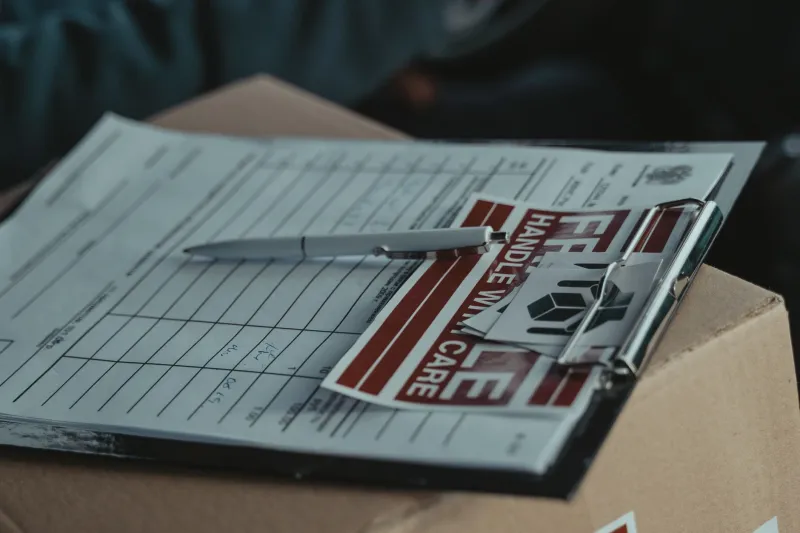
Most supply chain failures are not dramatic. They do not announce themselves with a single catastrophic event. Instead, they accumulate quietly across dozens of small operational gaps—a missed confirmation here, an undocumented handoff there—until the cumulative weight of those gaps collapses into a delayed shipment, a customs hold, or an emergency freight bill that erases months of margin.
For US companies sourcing from Vietnam, the journey from factory floor to domestic warehouse involves an unusually high number of parties, systems, and jurisdictions. Understanding where each handoff occurs—and whether anyone is actively managing it—is the difference between a supply chain that performs and one that merely appears to perform until it does not.
The following audit framework covers 47 operational checkpoints organized by phase. It is designed not as a theoretical exercise but as a working tool: something a procurement lead or logistics manager can use to evaluate an existing partner or stress-test a new one.
Phase 1: Factory Readiness (Checkpoints 1–9)
1. Production schedule confirmation — Is the factory's stated completion date verified against actual floor capacity, or is it a sales estimate?
2. Quality inspection timing — Is third-party inspection scheduled before or after packing? Post-pack inspections frequently miss concealed defects.
3. Carton-level labeling standards — Do carton markings meet US retail or warehouse requirements? Mismatched labels cause downstream receiving delays.
4. Export documentation initiation — Who triggers the commercial invoice and packing list preparation, and how early before cargo-ready date?
5. HS code assignment — Is tariff classification done by a qualified customs broker, or defaulted to the factory's generic code?
6. Certificate of origin verification — For goods claiming preferential treatment, is Form E or equivalent documentation prepared and validated in advance?
7. Dangerous goods screening — Even low-risk product categories can contain components requiring special handling declarations.
8. Weight and dimension confirmation — Are CBM and gross weight figures verified against booking data before space is reserved?
9. Factory contact escalation path — If a discrepancy is found at packing, who has authority to delay cargo release, and how quickly can they be reached?
Phase 2: Domestic Vietnam Freight and Consolidation (Checkpoints 10–18)
10. Trucking vendor selection — Is the inland carrier licensed, insured, and familiar with the specific export gateway being used?
11. Pickup appointment confirmation — Is the truck booking confirmed with the factory in writing, with a named driver and vehicle registration?
12. Cargo-ready date alignment — Does the factory's cargo-ready date account for internal QC holds, or is it the optimistic production finish date?
13. Consolidation facility handoff — If cargo is moving through a consolidation warehouse, who is responsible for verifying piece counts on receipt?
14. Co-loading partner vetting — When cargo is co-loaded with other shippers, are the other parties' goods compatible in terms of handling requirements?
15. Temperature and humidity exposure — For sensitive goods, is inland transit time and storage environment controlled and documented?
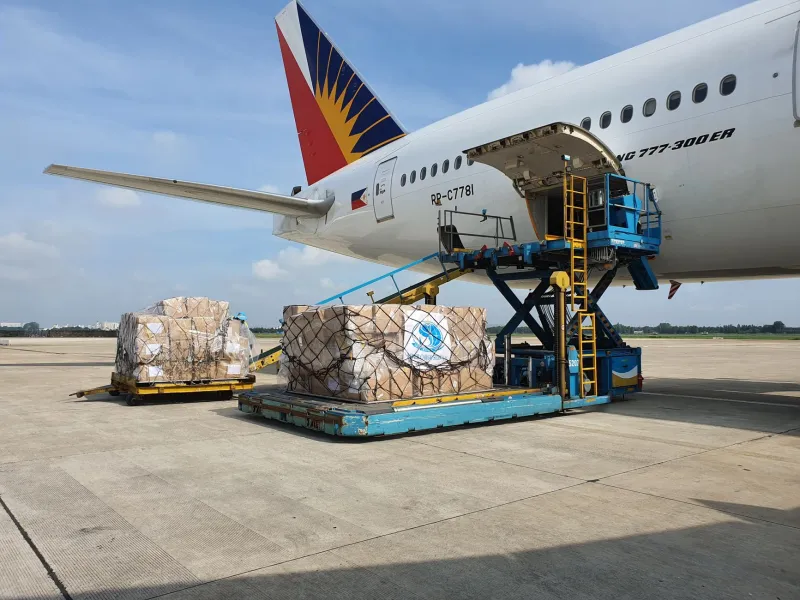
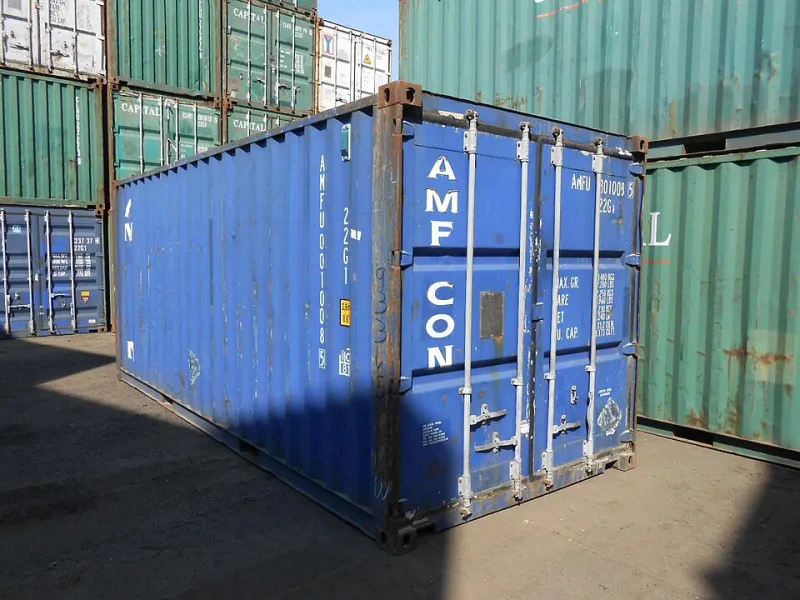
16. Seal integrity at loading — Container or ULD seals should be recorded and transmitted to the receiving agent before departure.
17. Domestic customs clearance triggers — Certain product categories require Vietnamese export licensing that can delay cargo at the inland stage, not just at the port.
18. Freight forwarder handoff documentation — Is there a formal cargo receipt issued at the point of transfer to the freight forwarder?
Phase 3: Export Customs and Terminal Operations (Checkpoints 19–27)
19. Export declaration filing timeline — Is the customs entry filed with sufficient lead time to allow for examination without missing the cargo cutoff?
20. Customs broker authority — Does the broker hold a valid power of attorney for the exporter, and is it current?
21. Value declaration accuracy — Declared values should reflect actual transaction prices, including any assists or tooling costs that may be dutiable.
22. Terminal receiving cutoff awareness — Air and ocean terminals in Vietnam have strict cutoff windows. Who is monitoring compliance in real time?
23. Cargo examination contingency — If customs selects cargo for physical examination, what is the recovery plan to avoid missing the vessel or flight?
24. AWB or bill of lading verification — Are all fields—shipper, consignee, notify party, description, weight—accurate before the transport document is issued?
25. Freight payment terms confirmation — Prepaid versus collect designations must match the commercial agreement and be confirmed before departure.
26. Dangerous goods documentation cross-check — For air shipments, MSDS, shipper's declaration, and labeling must all align before acceptance.
27. Cargo insurance confirmation — Is coverage in place, and does the insured value reflect replacement cost rather than invoice value alone?
Phase 4: In-Transit Visibility (Checkpoints 28–34)
28. Flight or vessel booking confirmation — Is the space confirmed, or is it a tentative booking that can be bumped under capacity pressure?
29. Tracking system integration — Can you access real-time status updates, or are you dependent on manual check-ins from your forwarder?
30. Transhipment point monitoring — For cargo routing through hub airports or transshipment ports, who is responsible for monitoring the connection?
31. Estimated arrival date updates — Are ETAs updated dynamically when delays occur, or only when you ask?
32. Proactive exception alerts — Does your logistics partner have a defined protocol for notifying you of delays before you discover them independently?
33. Document transmission timing — Are original documents or electronic equivalents transmitted to the US destination in advance of cargo arrival?
34. Carrier performance tracking — Are on-time performance metrics being captured for future carrier selection decisions?
Phase 5: US Customs Entry and Clearance (Checkpoints 35–41)
35. ISF filing compliance — Importer Security Filing must be submitted at least 24 hours before ocean vessel loading. Who is responsible, and is it being done?
36. Entry type selection — Formal entry, informal entry, and Section 321 de minimis have different thresholds and implications. Is the correct entry type being used?
37. ADD/CVD applicability review — Are antidumping or countervailing duty orders being checked against current CBP scope rulings for your product category?
38. FDA, USDA, or other agency holds — Does your product require prior notice, prior import notice, or other agency clearance that must be coordinated in advance?
39. Customs bond adequacy — Is your continuous bond sufficient for your current import volume, or have increased shipment values created exposure?
40. Examination response speed — If CBP selects a shipment for examination, how quickly can your broker respond with documents and arrange devanning?
41. Duty payment and liquidation tracking — Are you monitoring open entries for liquidation and any post-entry adjustments that could trigger unexpected duty bills?
Phase 6: US Domestic Distribution (Checkpoints 42–47)
42. Drayage appointment scheduling — Is the port or airport drayage appointment booked before cargo arrives, or reactive?
43. Warehouse receiving appointment — Does your DC have a confirmed receiving slot, and does the delivery window match your carrier's schedule?
44. Piece count and condition verification — Is there a documented receiving process that captures discrepancies at the carton level before the carrier departs?
45. Returns and damage claim procedures — Is there a clear protocol for filing freight claims, and are time limits being tracked?
46. Inventory system update timing — How long after physical receipt does inventory appear in your ERP or WMS? Delays here affect replenishment decisions.
47. Post-shipment performance review — Is anyone conducting a structured debrief after each shipment to capture what worked, what did not, and what to adjust?
Using This Framework Effectively
The value of this checklist is not in completing it once. It is in applying it consistently, across multiple shipments and multiple partners, to build a factual picture of where your supply chain is genuinely managed and where it is being assumed into compliance.
For US importers working with Vietnamese suppliers and logistics providers, the most common finding from this kind of audit is not that any single handoff is catastrophically broken. It is that accountability for each handoff is unclear—that everyone assumes someone else is watching the gap.
At FPT MultiAir, our operational model is built around closing exactly those gaps. Connecting Vietnam to the US is not a routing exercise. It is a coordination discipline, applied consistently across every one of these 47 points.