When the Bridge Becomes the Bottleneck: The Hidden Costs of Unsupported Multi-Modal Freight From Vietnam
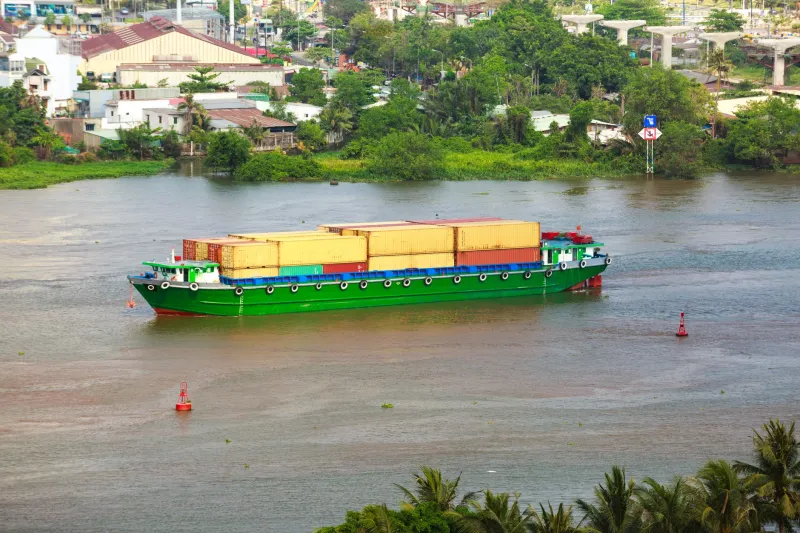
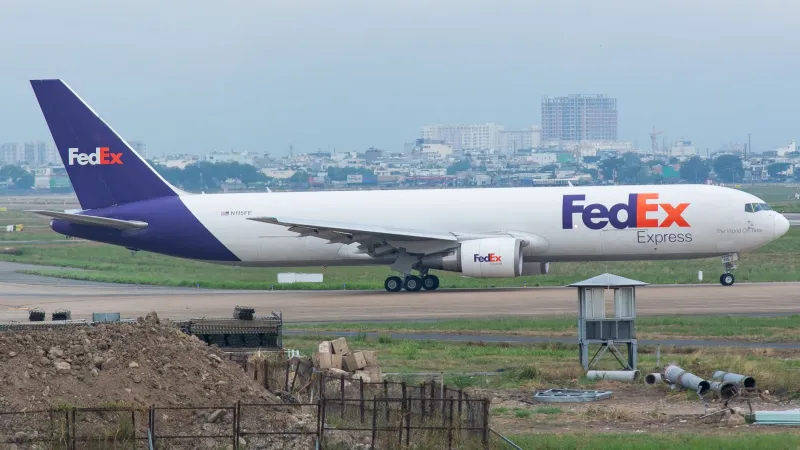
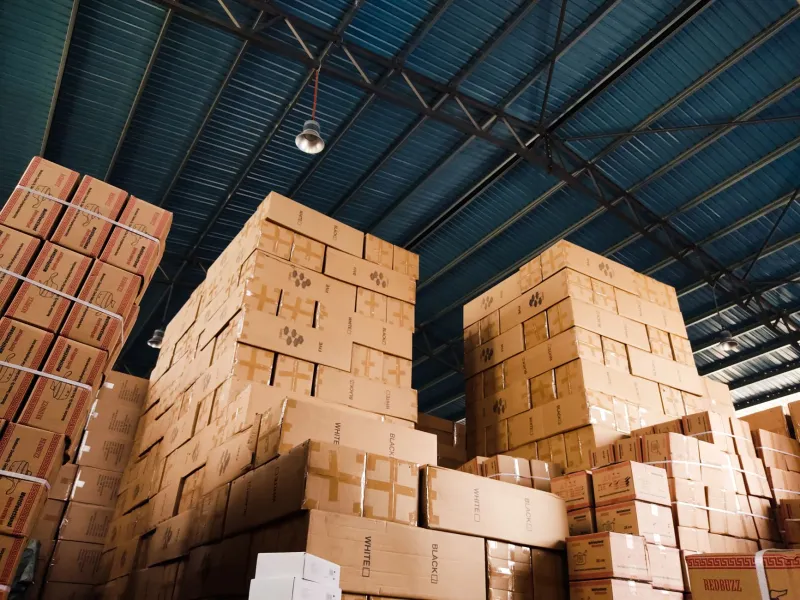
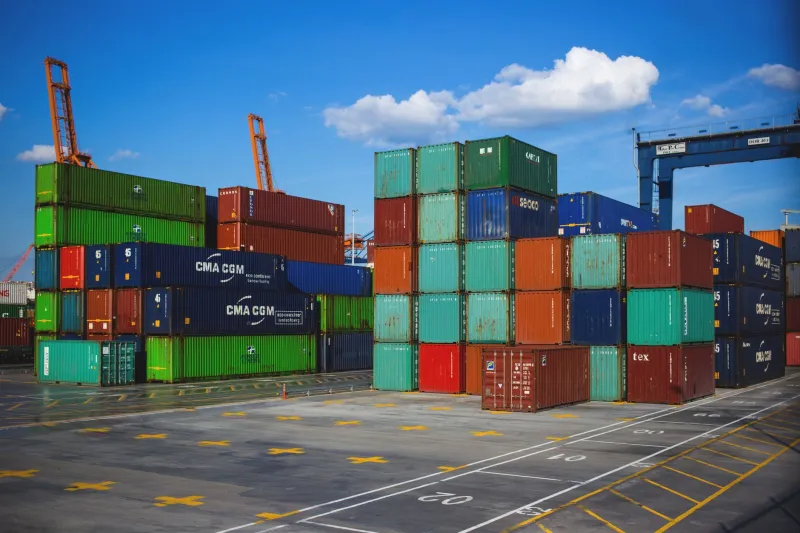
The logic is appealing on paper. You have a large order arriving from a Vietnamese manufacturer: most of it can travel by ocean, where cost-per-kilogram economics are favorable, but a portion is time-sensitive and needs to arrive ahead of a retail window or production deadline. So you split the shipment—ocean for the bulk, air for the priority units—and expect to get the best of both worlds.
What many US importers discover, often too late and at considerable expense, is that the gap between those two freight modes is where the real risk lives. Multi-modal shipping is not inherently flawed. Executed with the right partner and the right coordination infrastructure, it is genuinely one of the most efficient tools in international logistics. But attempted without that foundation, it routinely produces delays, documentation failures, and inventory confusion that erase every dollar of savings the split was supposed to generate.
The Handoff Problem No One Warns You About
When a shipment moves across a single mode—say, full ocean freight from Ho Chi Minh City to Los Angeles—there is one carrier relationship, one bill of lading, one customs entry, and one arrival event to manage. The documentation chain, while not simple, is at least linear.
Introduce a second mode into the same origin shipment, and the documentation requirement does not simply double. It multiplies in complexity. The air leg requires an air waybill. The ocean leg requires a separate bill of lading. Each document references different cargo quantities, different carrier codes, and often different consignee instructions depending on how the freight was booked. If those documents are prepared by different agents—a common outcome when US importers are managing two separate freight relationships—the risk of mismatch increases substantially.
Customs brokers on the US side are accustomed to receiving complete, consistent documentation. When two legs of the same origin order arrive under different document sets, reconciling them against a single purchase order can trigger holds, requests for additional information, or in some cases, a full customs examination. Each of those outcomes adds time and cost that was never factored into the original split-freight calculation.
Inventory Tracking Across Two Parallel Universes
Beyond documentation, there is a visibility problem that multi-modal freight creates at the inventory level. When a warehouse team in Ohio or a distribution center in Texas is awaiting an inbound shipment, they are typically working against a single expected arrival. Multi-modal splits, when managed through separate freight relationships, often produce two disconnected tracking streams with no unified view of what is arriving when.
This matters more than it might initially appear. Receiving teams schedule labor. Warehouse management systems update available inventory. Procurement teams make decisions about whether to place supplemental orders based on what is in transit. When the air leg arrives and is logged, but the ocean leg is still three weeks out under a separate tracking reference, the resulting inventory picture can be actively misleading.
US importers who have experienced this describe a version of the same scenario: the air freight arrives, gets received, and appears to close out the purchase order in their system—because the PO was created as a single line item. The ocean portion arrives weeks later and has to be manually reconciled against what was already received. At scale, across multiple concurrent orders, that reconciliation work becomes a significant operational burden.
Why Generic Freight Forwarders Struggle Here
A standard freight forwarder operates as a transaction broker. Their value is in sourcing capacity, negotiating rates, and processing documentation for a given shipment. What they are generally not structured to do is maintain a unified operational view across two separate freight legs that were booked through different carrier relationships, potentially with different origin agents.
When a US importer attempts to manage a multi-modal split using two separate forwarders—one for air, one for ocean—they are, in effect, creating a coordination gap that neither party owns. Each forwarder is responsible only for their leg. The interface between those legs, where handoff timing, documentation alignment, and inventory signaling all need to be synchronized, belongs to no one. That is where shipments stall, discrepancies accumulate, and costs climb.
Even when a single forwarder handles both legs, if their internal systems are not built to link the two movements under a unified shipment record, the operational result can be nearly identical. The documents are filed separately. The tracking is managed separately. The customs entries are processed separately. The integration exists on paper but not in practice.
What Integrated Multi-Modal Coordination Actually Requires
Effective multi-modal freight management is not simply a matter of using the same company for both legs. It requires a specific set of operational capabilities that not every provider maintains.
First, both legs must originate from a unified booking event—meaning the air and ocean portions are documented against the same master shipment reference from the point of origin. This allows customs documentation to be cross-referenced consistently and gives the US importer a single tracking anchor rather than two disconnected streams.
Second, the origin agent in Vietnam must have the operational authority and system access to coordinate both modes simultaneously. That means managing the factory pickup, separating cargo by mode at the freight station, preparing compliant documentation for each leg under a unified reference, and communicating departure events to the destination team in real time.
Third, the destination-side team must be structured to receive and process both legs as components of the same inbound event, even when they arrive at different times and through different ports. That requires a customs broker relationship that understands multi-modal entries and a warehouse coordination protocol that holds the PO open until both portions are confirmed received.
At FPT MultiAir, our approach to multi-modal freight is built around exactly this kind of end-to-end coordination. We do not treat air and ocean as separate products that happen to share an origin country. We treat them as parallel instruments within a single supply chain movement, managed under unified documentation, tracked through a single operational record, and handed off to US-side partners who are briefed on both legs before either departs Vietnam.
The Real Question for US Importers
Before executing a multi-modal split on your next Vietnam shipment, the relevant question is not whether splitting makes financial sense in isolation. In many cases, it does. The relevant question is whether your current freight partner has the infrastructure to manage both legs as a single coordinated event—or whether you are essentially asking two separate vendors to run parallel operations and hoping they stay aligned.
If the answer to that question is uncertain, the split may be generating risk that far exceeds the cost differential you are trying to capture. The multi-modal model is not a mirage. But without the right partner, the bridge between modes becomes the most expensive point in your supply chain—and the one you were least prepared to manage.
For US importers sourcing from Vietnam who want to explore whether a coordinated multi-modal approach is right for their next shipment, FPT MultiAir offers operational assessments that evaluate both freight mode economics and coordination readiness before any cargo moves.