The Inland Gateways: How Vietnam's ICDs Are Rewriting the Clock on US-Bound Cargo
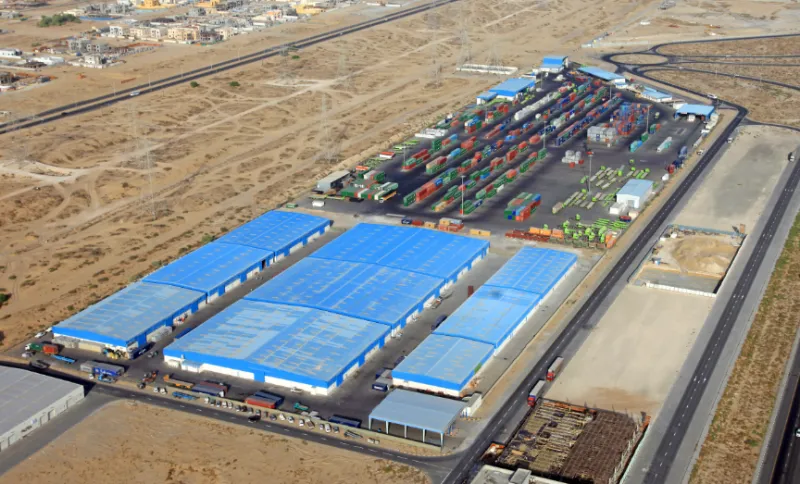
Photo: T1259, CC BY-SA 4.0, via Wikimedia Commons
Ask a US importer to describe their Vietnam supply chain and you will typically hear a straight line: factory, truck, port, vessel, US port, rail, warehouse. That line is a simplification, and the missing node in the middle — the inland container depot — is where a surprising amount of time and money is either saved or lost.
Vietnam's ICD network has matured considerably, and for importers moving regular volume out of industrial zones in Binh Duong, Dong Nai, Bac Ninh, or Long An, the depot is often the difference between a clean container turn and a week of avoidable charges.
What an ICD Is — and What It Is Not
An inland container depot, known in Vietnam as a cang can, functions as a dry port. It is a licensed facility away from the deepwater terminals that handles container stacking, empty equipment interchange, cargo stuffing and stripping, and — critically — customs inspection and clearance.
The network includes well-established names such as Tan Cang Song Than in Binh Duong, Tan Cang Long Binh and Tan Cang Hiep Phuoc around Ho Chi Minh City, Tan Cang Que Vo in Bac Ninh, My Dinh in Hanoi, and facilities serving Long An and the Hai Phong hinterland. Several operate barge connections that move containers between the depot and the Cai Mep deepwater terminals without a truck ever entering the city center.
What an ICD is not: a substitute for a seaport. Cargo still has to reach a vessel. The value lies in where and when the handoff happens.
Why the Clock Moves in Your Favor
The first gain is equipment. In a conventional flow, a container is picked up at the terminal, hauled to the factory, loaded, hauled back, and returned — and detention accrues every day the box is out. At an ICD, empty pickup and laden return happen at a facility designed for that traffic, with shorter queues and more predictable turn times. Importers report that this alone can remove several days of exposure per container during busy periods.
The Customs Dimension
Many ICDs are registered as locations where customs declarations can be lodged and physical inspection conducted. That means a container can be cleared inland, before it ever reaches a congested seaport gate. When a shipment is flagged for examination, the inspection happens at the depot rather than at the terminal, where a hold can cost days of queue position.
The practical requirement is that your broker knows which declaration location applies and that your documentation is consistent about it. A mismatch between the declared clearance point and the actual routing is one of the more common — and more avoidable — sources of delay.
Geography First: Matching the Depot to the Factory
Depot selection is a geography problem before it is a commercial one. A supplier in the Bac Ninh industrial belt is naturally served by depots in the north with links to Hai Phong, not by a facility on the outskirts of Ho Chi Minh City. A factory in Binh Duong or Long An is better served by Song Than, Long Binh, or Phuc Long with barge or truck links to Cai Mep.
Get this wrong and you have added an inland leg that costs more than the port congestion you were trying to avoid. Map the factory, the depot, the loading terminal, and the barge or truck schedule as one chain before evaluating anything else.
Six Questions Before You Nominate an ICD
- Is the facility licensed to accept the customs declaration type your shipment requires, and can your broker file there?
- Does it hold a direct barge or feeder connection to the terminal your carrier actually calls, and how reliable is that schedule?
- What free time applies for storage and for equipment, and what are the published tariffs beyond it?
- Does your carrier's bill of lading permit the depot as place of delivery, and who handles the inland leg under merchant haulage?
- Does the depot offer container freight station services, so several suppliers' cargo can be consolidated into one container under supervision?
- What visibility does the facility provide — milestone events, EDI feeds, or portal access — and will those events flow into your supply chain system?
That fourth question trips up more importers than any other. Carrier haulage rules, chassis arrangements, and liability boundaries all change when the delivery point moves inland, and the cost comparison is meaningless if the inland leg is not priced consistently across options.
Where ICDs Fit in a 2026 Routing Plan
Treat the depot as a node in the routing matrix, not as an add-on to a port booking. For high-volume, predictable lanes out of the southern industrial zones, a depot-plus-barge flow can deliver steadier transit and lower detention exposure than a direct-to-Cat-Lai flow, particularly in periods of gate congestion. For northern suppliers, the depot becomes the natural consolidation point before a Hai Phong sailing.
The judgment call comes down to volume and timing. Long-term storage at a depot is not cheap, and the savings evaporate if cargo sits because a production run slipped and nobody rebooked the barge. The depot rewards planning; it does not forgive neglect.
The Bottom Line
Inland container depots are not a novel idea in Vietnam — they have been operating for years — but they remain outside the mental model of many US buyers who inherited a factory-to-port template and never revisited it. Nominate the right depot, confirm the customs and carrier mechanics in writing, and integrate it into your routing logic. The changes are procedural, which is precisely why they hold up.