Air and Ocean Together Sounds Smart—Until the Handoffs Fall Apart
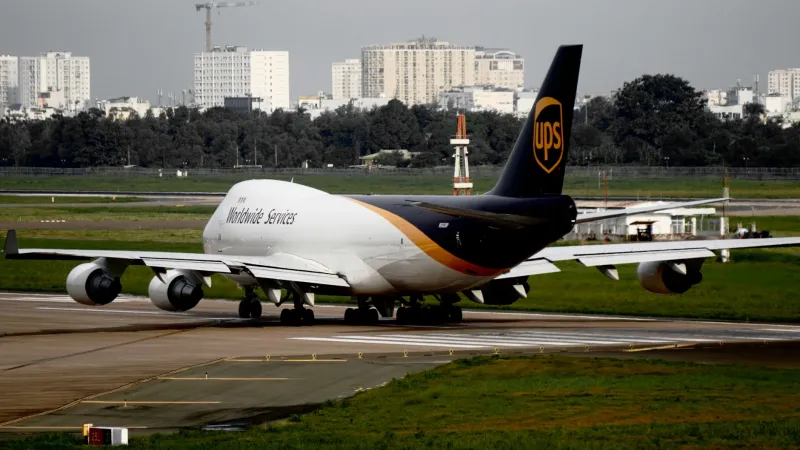
The pitch sounds reasonable. Move the bulk of your cargo on a slower, cheaper ocean vessel from Ho Chi Minh City or Hai Phong, then fly the time-sensitive portion directly into Los Angeles or Chicago. On a spreadsheet, the numbers cooperate. In practice, the moment two carriers, two modes, and two regulatory environments meet at a single handoff point, the math starts to unravel.
For US importers managing Vietnam-origin shipments, multimodal strategies have become increasingly attractive as freight rates fluctuate and supply chain pressure demands creative solutions. But the operational complexity of combining air and ocean freight is routinely underestimated—not because the concept is flawed, but because coordination is treated as an administrative task rather than a dedicated operational discipline.
The False Economy of the Split Shipment
Most multimodal plans originate in a procurement meeting, not a logistics control room. A buyer identifies a product category with mixed urgency: some SKUs need to hit a US distribution center before a promotional window closes; others can absorb a longer transit. The solution appears obvious—split the order, fly the urgent goods, ship the rest by sea.
What gets missed in that meeting is the assumption that both legs will perform independently and connect seamlessly. Ocean freight from Vietnam to the US West Coast runs anywhere from 18 to 28 days depending on carrier, routing, and port congestion. Air freight from Noi Bai or Tan Son Nhat delivers in two to five days. These are not parallel tracks. They are two distinct supply chain events that must be planned, monitored, and managed as an integrated sequence—not as separate purchase orders.
When the ocean leg runs late—as it frequently does during peak season or when vessels call at additional ports—the air leg may have already delivered its cargo to a warehouse expecting the full order. Receiving teams, unaware of the split, may flag the partial inbound as a discrepancy. Inventory systems may not reconcile correctly. And the importer is now managing two separate customs entries, two sets of documentation, and two carrier relationships under a single delivery deadline.
Where the Coordination Actually Breaks
Three failure points account for the majority of multimodal problems FPT MultiAir observes in Vietnam-US shipments.
The customs timing mismatch. Air and ocean shipments enter US Customs and Border Protection review on different timelines and often through different ports of entry. An air shipment arriving at O'Hare and an ocean container arriving at Long Beach are processed by separate CBP field offices, subject to different examination queues, and may require separate ISF filings. If a single broker is not coordinating both entries simultaneously—and if the importer has not provided matching commercial invoices and packing lists across both legs—holds become likely.
The carrier handoff gap. In Vietnam, the most common multimodal failure occurs not at the destination but at the origin. When a freight forwarder books air capacity and ocean capacity through separate agents without a unified booking reference, the warehouse handling the split cargo pickup may not know which goods are destined for which mode. Mislabeled cargo, wrong loading sequences, and missed air cutoff times are all traceable to this single coordination failure.
The documentation split. US warehouses and 3PLs receiving multimodal shipments frequently encounter purchase orders that reference goods arriving in two separate consignments. Without advance shipment notices that clearly flag the multimodal structure, warehouse management systems may close the receipt on the first delivery and require manual intervention to process the second. These exceptions generate labor costs, delay put-away, and in some cases trigger supplier compliance chargebacks.
A Framework for When Multimodal Actually Makes Sense
None of this means multimodal is unworkable. It means the conditions for success are specific, and importers who ignore them will consistently absorb costs that were never in the original savings calculation.
Multimodal from Vietnam delivers genuine value when all of the following conditions are met:
- The air and ocean legs are booked through a single logistics operator with unified documentation control and a single point of accountability for both modes.
- The split is determined by product category, not urgency alone. High-velocity SKUs with firm replenishment cycles are appropriate air candidates. Slow-moving or buffer inventory that has calendar flexibility belongs on the water.
- The US receiving facility has been briefed in advance on the multimodal structure, with separate ASNs issued for each leg and a master purchase order that flags the two-part delivery.
- Real-time tracking is in place for both legs simultaneously, with exception alerts configured for delays that would affect the sequencing of the two deliveries.
- Total landed cost is calculated across both legs, including customs brokerage, drayage, warehouse receiving fees, and any compliance costs—not just the freight rate differential.
When these conditions are absent, multimodal becomes a cost-transfer mechanism rather than a cost-reduction strategy. The savings that disappear from the freight invoice reappear as warehouse fees, customs delays, and procurement team hours spent resolving exceptions.
The Coordination Standard Multimodal Demands
The most instructive comparison for US importers is the difference between a company that treats multimodal as a routing decision and one that treats it as an operational program. The former assigns the execution to a junior logistics coordinator with a tracking spreadsheet. The latter assigns a dedicated operator with authority to communicate directly with origin handlers, destination brokers, and warehouse receiving teams—and with access to real-time status on both legs.
Vietnam's freight environment adds additional complexity. Origin handling capacity at Noi Bai and Tan Son Nhat is under consistent pressure, and warehouse cutoff times for air cargo are enforced strictly. An ocean booking that slips by a day due to a factory delay can cascade into a missed air cutoff for the companion shipment, collapsing the entire multimodal schedule.
For US importers sourcing from Vietnam, the honest assessment is this: multimodal is not a spreadsheet optimization. It is a logistics program that requires the same dedicated oversight as any other complex supply chain initiative. When it is managed with that level of discipline, it delivers. When it is not, the coordination failures are predictable—and expensive.