Sourcing Without Surprises: Building a Year-Round Vietnam Freight Strategy Around US Seasonal Demand
Every year, the same story repeats itself across American retail and manufacturing boardrooms. Q4 demand arrives on schedule, as it always does, and somewhere between the factory floor in Binh Duong and a distribution center in Ohio, the supply chain buckles. Freight capacity evaporates. Lead times stretch. Promises made to buyers in January become apologies delivered in October.
The cause is rarely a single catastrophic failure. More often, it is the accumulated consequence of short-horizon planning—sourcing decisions made in response to demand signals rather than ahead of them. For US companies importing from Vietnam, the geography of the supply chain demands a fundamentally different relationship with time.
Why Vietnam's Supply Chain Calendar Operates on Its Own Logic
Vietnam's manufacturing and logistics ecosystem is shaped by a set of rhythms that do not map neatly onto the US fiscal calendar. Lunar New Year, which falls between late January and mid-February depending on the year, effectively suspends factory operations for two to four weeks across much of the country. Production lines slow, trucking capacity contracts, and warehouse staffing drops sharply. For US importers whose planning horizon extends only 60 to 90 days, this window creates a structural vulnerability.
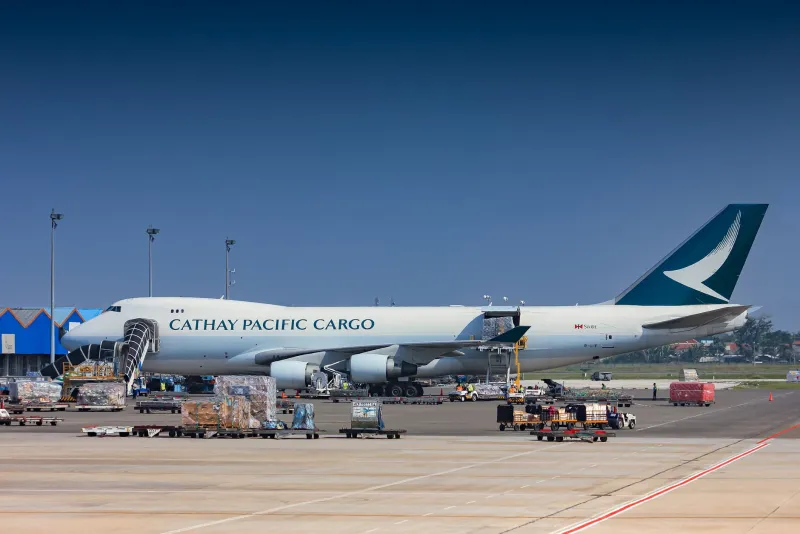
Beyond Tet, Vietnam's freight corridors face predictable congestion cycles tied directly to US consumer demand. The pre-holiday surge—goods destined for Black Friday and Christmas retail—begins moving in volume as early as June and July. By August, air freight capacity out of Ho Chi Minh City and Hanoi tightens considerably. Carriers prioritize established relationships and pre-booked tonnage. Spot rates climb. Companies that have not secured forward agreements find themselves either absorbing premium costs or accepting delayed delivery.
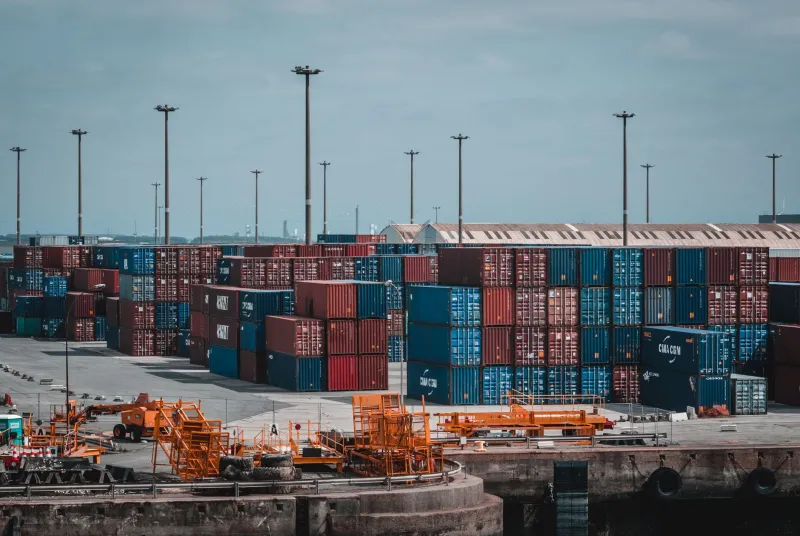
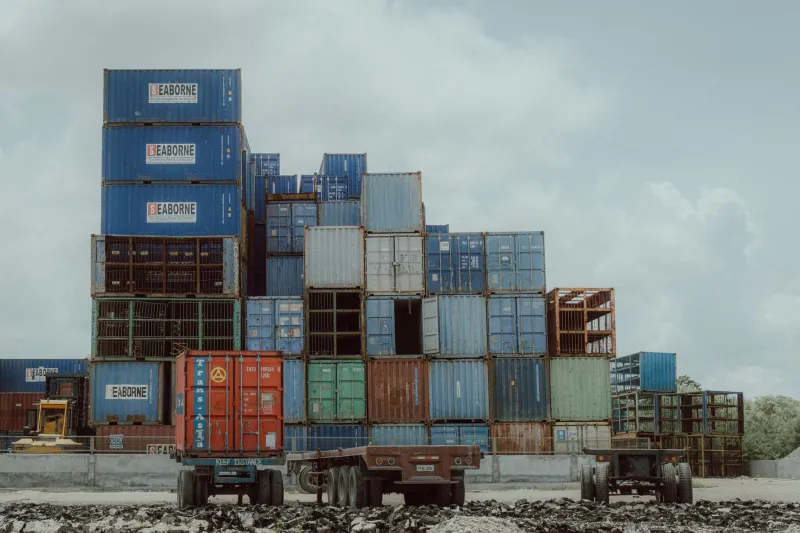
Container availability compounds the challenge. Ocean freight, which handles the bulk of Vietnam-to-US volume, operates on vessel schedules that require booking confirmations weeks in advance of the intended ship date. When factories in Vietnam's industrial zones hit simultaneous production peaks—often driven by orders from multiple global buyers—equipment shortages cascade through the system.
The Cost of Reactive Planning: What Missed Windows Actually Look Like
Consider the experience of a mid-sized US home goods retailer that sources decorative textiles from manufacturers in the Mekong Delta region. In a recent peak season cycle, the company confirmed production orders in May for goods intended to reach US distribution centers by late September. The timeline appeared workable on paper. In practice, the factory's capacity had already been partially committed to European buyers who had placed orders in February. Production completion slipped by three weeks. Air freight, the fallback option, was constrained by peak-season demand, and available slots carried rates nearly three times the baseline. The goods arrived in early November—too late for pre-Thanksgiving promotional windows and with margin significantly eroded by expedited freight costs.
Contrast that with a consumer electronics accessories brand that restructured its Vietnam sourcing calendar after a similar disruption two years prior. The company now issues purchase orders for its holiday season line in October of the preceding year—a full 12 months ahead of the target retail window. Factory capacity is confirmed by December. Ocean freight bookings are placed in March. Air freight allocations for any production overrun or late-stage components are negotiated as part of an annual freight partnership agreement, not sourced on the spot market. The result is a supply chain that absorbs minor disruptions without amplifying them into customer-facing failures.
Building a Planning Framework That Accounts for Vietnam's Freight Realities
Developing a year-round sourcing strategy for Vietnam requires mapping three distinct planning horizons simultaneously.
The 12-Month Horizon: Demand Forecasting and Supplier Alignment
At the annual level, US importers should be translating their sales forecasts into production capacity requirements and communicating those requirements to Vietnamese suppliers before the market for factory capacity becomes competitive. This is particularly important for goods with long manufacturing lead times—furniture, industrial components, and apparel categories where fabric sourcing and cut-and-sew operations add weeks to the timeline.
This horizon is also when freight partnerships should be established or renewed. Working with a logistics provider that maintains dedicated capacity agreements with carriers operating Vietnam-to-US lanes provides meaningful protection against spot market volatility. Rates negotiated annually, even if slightly above the lowest available spot price at the time, almost invariably prove favorable when compared to peak-season alternatives.
The 6-Month Horizon: Booking Confirmation and Contingency Planning
Six months out from a target delivery date, the planning focus shifts to confirming specific freight bookings and building contingency buffers into the schedule. Ocean freight bookings for the pre-holiday surge should be confirmed no later than April for goods targeted at US shelves in September and October. At this stage, importers should also be identifying which SKUs, if delayed, could be transitioned to air freight without destroying the landed cost economics of the shipment.
Contingency planning at this horizon means more than identifying a backup carrier. It means understanding which Vietnamese airports have available capacity, which freight forwarders have established relationships with ground handlers at those facilities, and what the realistic door-to-door transit time looks like for each routing option.
The 90-Day Horizon: Execution and Exception Management
Within 90 days of the intended ship date, the planning work should be largely complete. The 90-day window is for execution monitoring—tracking production milestones against the confirmed schedule, communicating proactively with freight partners about any changes in cargo volume or composition, and managing customs documentation to prevent clearance delays at US ports of entry.
Exceptions at this stage—production delays, carrier equipment shortages, weather disruptions—are manageable when the upstream planning has been thorough. They become crises when they arrive in a supply chain that was already operating without adequate lead time.
The Role of Freight Partnerships in Seasonal Resilience
No planning framework operates effectively without reliable execution partners. For US companies sourcing from Vietnam, the quality of the logistics relationship is often the deciding factor between a supply chain that bends and one that breaks.
Freight partners with deep operational roots in Vietnam—established relationships with carriers, customs brokers, warehouse operators, and ground transport providers—offer something that no spot market transaction can replicate: institutional knowledge of how the system behaves under pressure. They understand which routes are most vulnerable to Tet-related disruption, which carriers maintain reliable schedules through peak season, and how to navigate the documentation requirements that govern US Customs and Border Protection clearance for goods of Vietnamese origin.
For US importers, the value of that knowledge compounds over time. A freight partner that understands your seasonal pattern, your product categories, and your tolerance for lead time variability becomes a genuine extension of your supply chain planning function—not simply a vendor engaged transaction by transaction.
Planning as Competitive Infrastructure
The companies that consistently win on Vietnam-sourced goods are not those with the most aggressive cost structures or the largest order volumes. They are the ones that have treated supply chain planning as a strategic discipline rather than an operational afterthought.
Seasonal demand in the US is predictable. Factory capacity constraints in Vietnam are predictable. Freight market tightening during peak periods is predictable. The supply chain failures that result from ignoring these patterns are, in that sense, entirely avoidable.
Building the calendar discipline to plan 6 to 12 months ahead—and securing the freight partnerships that make that planning executable—is the most reliable investment a US importer can make in the stability of its Vietnam supply chain.