The Return Journey: Why Reverse Logistics from the US to Vietnam Is the Supply Chain Problem Nobody Budgets For
Every procurement team sourcing from Vietnam has a process for getting goods to the United States. Purchase orders flow to factories, production schedules are tracked, freight is booked, customs entries are filed, and goods arrive at distribution centers. The forward supply chain, for all its complexity, receives sustained attention and investment.
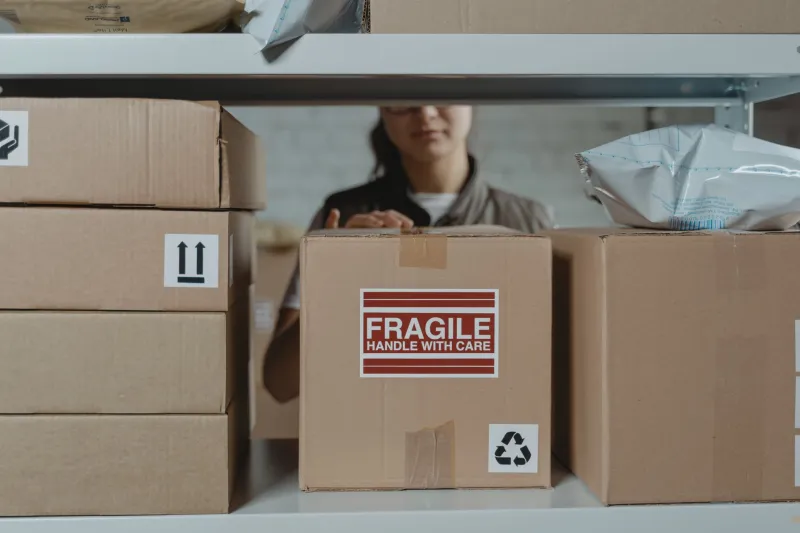
The reverse flow—warranty returns, excess inventory repatriation, defective goods sent back for rework, product recalls requiring factory-level remediation—receives almost none of that attention until something goes wrong. When it does go wrong, US importers discover that moving goods from America back to Vietnam is not simply the forward journey run in reverse. It is a fundamentally different logistical and regulatory challenge, and it is consistently more expensive, slower, and more administratively burdensome than the outbound movement that preceded it.
Why Reverse Logistics Gets Ignored Until It Doesn't
The structural reason reverse logistics is underprepared is straightforward: it is reactive by nature. Forward shipments are planned weeks or months in advance. Reverse movements are triggered by events—product defects discovered post-delivery, warranty claims filed by US customers, inventory positions that prove unsellable, or compliance issues requiring physical remediation at the source factory.
Because these events are not anticipated in standard freight contracts or logistics budgets, companies typically handle them on an ad hoc basis. A customer service team processes a warranty claim. A warehouse manager identifies excess inventory. Someone contacts a freight forwarder for a quote. The quote arrives, it is higher than expected, and the process proceeds anyway because there is no alternative framework in place.
This reactive posture is expensive. Ad hoc freight arrangements never achieve the rate efficiency of planned, volume-based contracts. More significantly, the regulatory and documentation requirements for returning goods to Vietnam are handled without preparation, leading to delays, compliance errors, and additional costs that a properly structured reverse logistics program would avoid.
The Regulatory Landscape Is Not Symmetric
One of the most important things US importers need to understand about reverse logistics to Vietnam is that the regulatory environment governing inbound goods at Vietnamese customs is not a mirror image of US import regulations. Vietnam applies its own import controls, duty structures, and documentation requirements to goods arriving from the United States, regardless of whether those goods originated in Vietnam.
For warranty replacements and defective goods sent back for rework, the critical regulatory question is whether the Vietnamese factory can receive the goods under a temporary import or repair-and-return arrangement. Vietnamese customs regulations permit these arrangements under specific conditions, but the documentation requirements are precise and the procedures for maintaining duty-free status during the repair period require careful management.
Failure to structure the return correctly can result in the Vietnamese factory being assessed import duties on goods that were originally manufactured there—a perverse outcome that adds cost without any corresponding benefit. Proper advance planning, including coordination with a licensed Vietnamese customs broker before the return shipment is initiated, is essential to avoiding this scenario.
Excess Inventory: The Most Underestimated Reverse Flow
While warranty returns and defective goods receive the most operational attention, excess inventory repatriation is arguably the more significant financial challenge for US importers. When demand forecasting errors, market shifts, or buyer cancellations leave US distribution centers holding product that will not sell domestically, the decision to return goods to Vietnamese factories for resale in other markets or for component recovery is often financially rational—but logistically complicated.
The first complication is that excess inventory sent back to Vietnam is treated as a commercial import by Vietnamese customs. Unlike warranty returns, which may qualify for special treatment, unsold finished goods do not carry an inherent regulatory advantage. They are subject to standard import duties and VAT at Vietnamese rates, which can be substantial depending on the product category.
The second complication involves the original US customs entry. Goods that were imported into the United States and for which duties were paid may qualify for a drawback claim if they are subsequently exported. The drawback process—a refund mechanism for duties paid on imported goods that are later re-exported—is administratively demanding and subject to strict documentation and timing requirements. Most companies managing ad hoc reverse logistics do not have the infrastructure to pursue drawback claims effectively, leaving money on the table.
Air Freight Versus Ocean for Reverse Movements
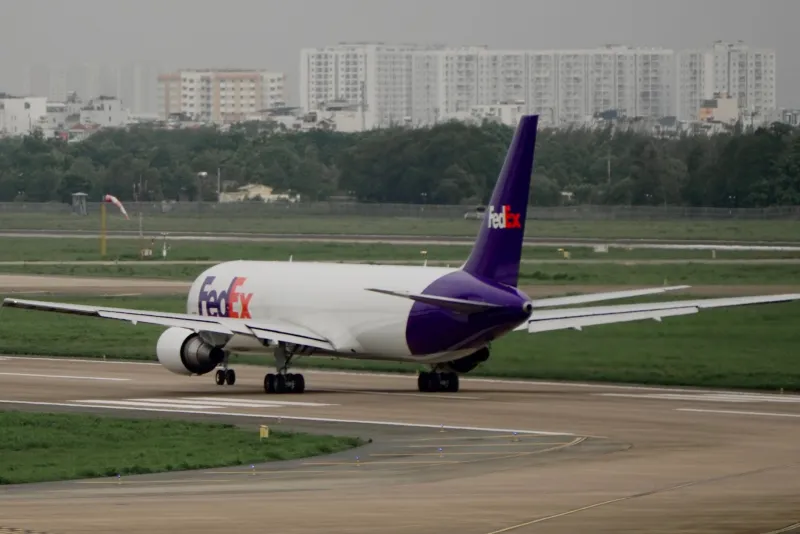
The modal decision for reverse logistics is more nuanced than for forward shipments. For time-sensitive warranty replacements or defective goods requiring urgent factory remediation, air freight is typically the only viable option. The cost is high, but the alternative—a factory unable to diagnose and correct a production defect while the next order proceeds—carries greater financial risk.
For excess inventory and lower-urgency returns, ocean freight is generally more appropriate. However, US importers accustomed to Vietnam-to-US ocean freight economics should be prepared for differences in the reverse direction. The container imbalance that makes westbound transpacific shipping relatively inexpensive does not benefit eastbound movements in the same way. Rates and availability for US-to-Vietnam ocean freight reflect a different supply-demand dynamic.
Regardless of modal choice, the documentation burden for reverse shipments is heavier than for forward movements. Commercial invoices must accurately reflect the reason for return, the original import value, and the intended disposition at the Vietnamese end. Errors or omissions in this documentation are a primary driver of customs delays in both directions.
Building a Reverse Logistics Program Before You Need One
The most effective response to the reverse logistics challenge is to address it proactively, before the first return shipment is triggered. This means establishing standing procedures with Vietnamese customs brokers for the most likely return scenarios, negotiating reverse logistics terms with freight partners rather than handling each movement as a spot transaction, and building the documentation templates and internal workflows that enable rapid, accurate execution when a return is required.
For US companies with significant Vietnam sourcing programs, it also means including reverse logistics costs and procedures in the initial supplier contract framework. Vietnamese factories vary considerably in their capacity and willingness to manage incoming return shipments efficiently. Establishing expectations and procedures at the contract stage is substantially easier than attempting to negotiate them in the middle of a product recall or warranty crisis.
At FPT MultiAir, we work with US importers to build reverse logistics frameworks that address the regulatory, operational, and financial dimensions of return flows from the United States to Vietnam. The forward supply chain receives the attention it deserves. The reverse channel deserves the same investment—before the situation demands it.